Late adulthood
Discovering the Invaluable Wisdom and Humanity Within Our Aging Population Through Immersive Nursing Home Experience

Patricia Fleetwood
Post University
HSV554_31_Broaching the Human Experience in Counseling_2025_26_TERM5
Dr. Zeng
Experiential Assignment
"By 2050, the number of people aged 60 and older is expected to double, reaching over 2 billion worldwide. How will society adapt to this unprecedented demographic shift?" (Khan et. al, 2024)
The term "elderly" generally refers to individuals who are in the later stages of life, typically around the age of 65 and older. This age is often used as a benchmark because it coincides with retirement age in many countries and is associated with increased health care needs and age-related changes. However, the definition can vary based on cultural, social, and individual perspectives. Some may consider individuals in their late 50s or early 60s as elderly, while others may reserve the term for those significantly older. It's important to recognize that aging is a complex process, and the experiences and capabilities of elderly individuals can vary widely.
Join me on this journey, if you please as I endeavor to elaborate on a precious often forgotten generation of value and wisdom.
The elderly hold a unique and invaluable place in our society, embodying a wealth of experiences and insights that can only be gained through the passage of time. Their lives are rich tapestries woven with stories of joy, sorrow, triumph, and loss, each thread representing lessons learned and wisdom earned. (Fleming et.al, 2003). As we navigate the complexities of life, the elderly serve as beacons of guidance, offering perspectives that can illuminate our paths. Their patience and resilience remind us of the importance of perseverance, while their stories often carry the weight of history, connecting us to our roots and reminding us of the struggles and victories that have shaped our world.
Moreover, the elderly possess a profound understanding of human relationships. They have witnessed the ebb and flow of life, learning the value of compassion, empathy, and forgiveness. Their ability to share these lessons fosters a sense of community and continuity, bridging generational gaps and enriching our lives with their insights. (Fleming et.al, 2003).
In a fast-paced world that often prioritizes youth and innovation, the wisdom of the elderly serves as a gentle reminder to slow down and appreciate the simple joys of life. Their laughter, their tears, and their unwavering love teach us to cherish the moments that truly matter. . (North & Fiske, 2012).
Ultimately, the value of the elderly lies not just in their memories, but in their ability to inspire us to live more fully, to love more deeply, and to approach life with a sense of gratitude and humility. They are the guardians of our collective memory, and their wisdom is a precious gift that we should honor and cherish; and for those of us approaching their age we often think of the legacy we will leave behind, and for those of us privileged to still have them in our lives let us not take them for granted by our busy lives as if they will always be there.
The treatment of the elderly by youth in the United States is influenced by various cultural, social, and individual factors that have been modeled before them. Younger generations may sometimes view the elderly as less relatable due to differences in technology use, values, and lifestyle choices, potentially leading to misunderstandings. (North & Fiske, 2012).
Youth who grow up in families that encourage respect for elders are more likely to treat older adults with kindness and compassion. Personal experience with grandparents or elderly neighbors can shape attitudes. . (North & Fiske, 2012).
Treatment varies significantly among individuals based on personality, upbringing, and prior interactions with older adults. Some youth may show great care and empathy, while others may not engage as positively.
The treatment of the elderly by youth in the U.S. is nuanced and shaped by multiple factors, including cultural attitudes, social dynamics, and personal experiences. While there are positive interactions between generations, challenges remain that can lead to misunderstanding or disrespect. To promote better relationships, it's essential to encourage intergenerational activities and foster understanding and respect for all individuals, regardless of age. . (North & Fiske, 2012).
This immersion project involved experiential learning about the culture of nursing home residents while increasing my knowledge and sensitivity to the elderly culture through an authentic cultural experience. As I interacted with this population through conversations and observation I was acutely aware of the quickly approaching similarities I would embrace. When we are young we think old is far away. To youth, "old" generally begins around 30 to 35 years old, a point often seen as the transition from early adulthood to established adulthood or "middle age”. There is a perception that elderly individuals may be more vulnerable due to physical and cognitive decline resulting in stereotypes of helplessness. The elderly may be viewed as an economic burden, particularly in discussions about healthcare costs and pensions. This perception can influence policies and societal attitudes towards aging. In Western cultures, there may be a tendency to prioritize youth and innovation, leading to marginalization of older individuals; whereas in many Asian cultures, the elderly are often revered and hold significant familial roles. Negative stereotypes about aging can lead to ageism, where elderly individuals are discriminated against based on their age.
Visiting the nursing home was a powerful experience for me. I felt a very strong sense of connection to the residents and recognized the only difference between me and many of the residents is time and circumstance. It made me realize how quickly our roles can shift, and how much we share a common humanity, regardless of our health or mobility and how quickly life can present unwanted
situations we didn’t ask for.
When we think of nursing homes we generally think of the elderly; however that population is rapidly changing to include
individuals with diverse backgrounds, experiences, and needs. Residents are typically elderly, but there are younger individuals with disabilities. The age range significantly influences their needs and social interactions. I observed residents come from various ethnic and cultural backgrounds, leading to differences in language, dietary preferences, and cultural practices within the facility.
Some residents have chronic health conditions requiring specialized care, while others are relatively healthy but need assistance with daily activities. Those with mental health diagnosis such as cognitive impairments like dementia or Alzheimer’s disease affects their communication and behavior isolating them valuable interaction.
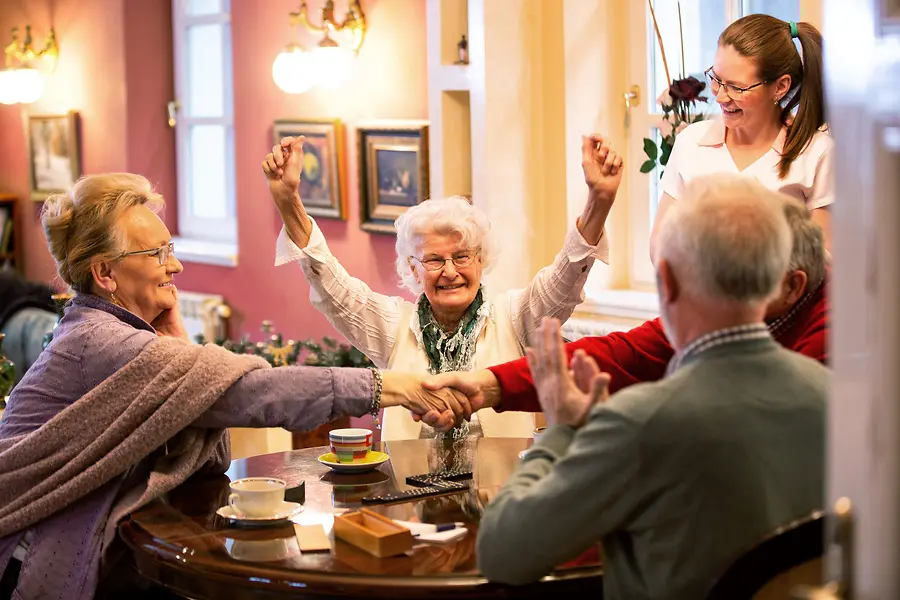
My visit revealed the level of family engagement and support varies. Some residents have regular visitors, while others may have limited family interactions. Residents have different interests and social needs, influencing their participation in group activities or the desire for solitary time. I found a common ground for all of them and that was music from their genre.
I learned to appreciate how each resident brings a unique life story, including accomplishments, challenges, and experiences, which shapes their worldview and interactions with others.
Growing up, I was told that nursing homes were places for people who could no longer care for themselves. This view was often paired with negative connotations surrounding isolation and neglect. Depending on cultural beliefs, some individuals may grow up with an understanding that it is the family’s responsibility to care for elderly relatives, which could lead to negative perceptions of nursing homes as places where families abandon their loved ones. What people are taught about nursing homes growing up can vary widely based on personal experiences, cultural values, educational influences, and societal narratives. These insights significantly contribute to their understanding and feelings toward nursing homes and elderly care as they grow older.
I assumed nursing home residents lacked agency in their lives, but I have come to understand that many seek autonomy and involvement in decision-making about their care.
My interest in this group stems from an awareness of the challenges that aging individual’s face and a desire to advocate for their rights and improve their quality of life; as well as gaining insight into the aging process, including physical, emotional, and social changes.
My immersive experience revealed the changing demographics of nursing homes from the elderly to a younger population for a multiplicity of reasons such as requiring specialized medical, rehabilitative, or supportive care. Common drivers include traumatic brain or spinal cord injuries, severe mental illness (SMI), substance use disorders (SUD), and neurological diseases like multiple sclerosis.
I come from a culture that values respect for elders, this environment makes me more sensitive toward the residents' need for companionship and dignity. As I witnessed the vitality and humor of the residents I was surprised. It changed my perspective regarding old age, leading to a more nuanced understanding of my feelings about aging and connection to family.
The experience in the nursing home likely challenged my previous notions of health care and aging. It inspired me to advocate for policies or programs that prioritize holistic care, emphasizing both physical and emotional health for the elderly.
Reflecting on these experiences deepened my understanding of the elderly as both a scientific and humanistic profession.
I have always had a fascination for the history of our elders and was privileged as a nurse in 2015 to have care for two historical legends as my patients, and here we are again in history with Artemis II going into space but their story doesn’t hold a candle to
a married couple who had been married 67 years and were missionaries overseas. I was privileged to be their nurse and hear their story. At 93, his mind provided explicit details with great clarity. They met when he was in the military and she was a USO Entertainer who brought morale-boosting, nostalgic music to soldiers. They married but were unable to have children. In one of the foreign countries they found an abandoned baby boy by a dumpster and adopted him. Reverend John Maxwell was a native Texan born in Fort Worth Texas; legendary as was his wife (Helen) who spoke and wrote 13 different languages. When John and Helen were 4 and 5 they vowed to love to take care of and love each other forever and ever and then a little bit more, he told that story with a gleam in his eyes.
His impressive chemistry and physics knowledge made the first panoramic camera that took the first picture of the Russian man made satellite the Sputnik. Mr. Stout was a former Texas Aggie football player and WW2 officer, college professor with 6 degrees and created the a micro Bible that went into space onboard the Apollo 14 spacecraft in 1971.Two American Presidents handed him his diplomas(Dwight Eisenhower and Lyndon Johnson). He started the Apollo Prayer League in NASA suggested by Helen.
You may wonder as I did how such legends of history could wind up in a nursing home in a small town in Texas. It was the adopted son who wanted the money from the micro Bible that went into space. He and his wife devised a plan to say his parents were cognitively impaired and unable to care for themselves and called adult protective services. John and Helens lives changed forever.
John and Helen were seized and became wards of the state. Their son never came to see them and stole everything they had and a trove of valuable space artifacts. The state of Texas assumed Mr. and Ms Stout was a typical indigent elderly couple according to their son as he was stealing them blind. He was livid because Reverend Stout would not tell where the micro Bible was.
It is essential to recognize that valuing the elderly is not merely an act of kindness; it is a profound acknowledgment of the rich tapestry of experiences, wisdom, and love they bring to our lives. Our elders are the living libraries of our history, holding stories and lessons that can guide us through the complexities of life. By honoring and respecting them, we not only enrich their lives but also cultivate a society that cherishes compassion, understanding, and continuity. Let us strive to create an environment where the elderly are celebrated, their voices heard, and their contributions valued. In doing so, we not only uplift them but also strengthen the very foundation of our communities, fostering a legacy of respect and gratitude for generations to come. Together, let us commit to ensuring that our elders feel cherished, respected, and integral to the fabric of our society.
References
Khan, H. T. A., Addo, K. M., & Findlay, H. (2024). Public Health Challenges and Responses to the Growing Ageing Populations. Public health challenges, 3(3), e213. https://doi.org/10.1002/puh2.213
North, M. S., & Fiske, S. T. (2012). An inconvenienced youth? Ageism and its potential intergenerational roots. Psychological bulletin, 138(5), 982–997. https://doi.org/10.1037/a0027843
Fleming, K. C., Evans, J. M., & Chutka, D. S. (2003). A cultural and economic history of old age in America. Mayo Clinic proceedings, 78(7), 914–921. https://doi.org/10.4065/78.7.914