Frontline In-Home Care
Transforming In-Home Healthcare: Why Frontline Caregivers Are the Heart of Modern Medicine

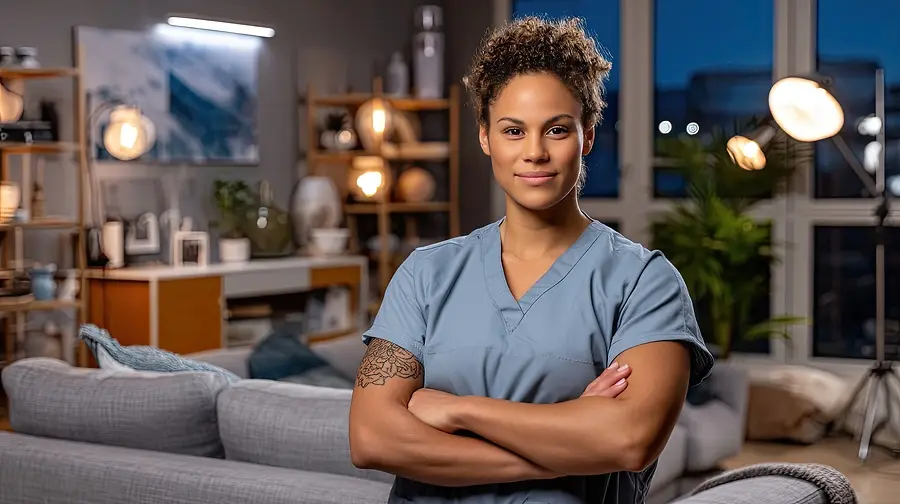
In today’s evolving healthcare landscape, one of the most vital—yet often underrepresented—segments of care is taking place quietly behind the doors of people’s homes.
In-home healthcare professionals are the backbone of patient recovery, chronic care management, and daily living support.
They are the front line—bridging the gap between hospital discharge and long-term wellness.
As the CEO of Healing Pretty Inc. and a Certified Nursing Assistant (CNA) with more than 26 years of hands-on experience, I have had the privilege of witnessing firsthand what quality care truly looks like when it is delivered with intention, compassion, and consistency.
The Reality of Frontline In-Home Care
In-home healthcare is far more than assisting with daily tasks.
It is personalized, intimate, and deeply human work.
Frontline professionals provide support with:
- Activities of daily living (ADLs), including bathing, dressing, and mobility
- Post-operative care and recovery support
- Medication reminders and routine monitoring
- Companionship and emotional support
- Assistance for individuals living with disabilities or chronic conditions
Unlike traditional clinical settings, care in the home requires adaptability, emotional intelligence, and an extraordinary level of trust.
We meet patients where they are—physically, mentally, and emotionally.
Beyond Basic Care: Elevating the Standard
At Healing Pretty Inc., our mission is to redefine what in-home care can and should look like.
Too often, home healthcare is viewed as basic or transactional.
I challenge that narrative every day.
Our approach is centered on:
- Dignity-first care: Every client deserves to feel seen, respected, and valued
- Consistency and reliability: Families deserve peace of mind knowing their loved ones are in capable hands
- Compassion-driven service: Care should prioritize emotional well-being just as much as physical health
We do not simply provide care.
We create experiences that restore confidence and improve quality of life.
The Emotional Intelligence of Caregiving
What distinguishes a caregiver from a true healthcare professional is not only skill—it is heart.
Frontline caregivers often become:
- A patient’s daily support system
- A trusted companion during vulnerable moments
- A source of encouragement throughout recovery
This level of care demands emotional intelligence, patience, and the ability to respond to needs that are often unspoken.
It is a responsibility that cannot be mastered overnight.
It is developed through years of experience, empathy, and unwavering dedication.
Addressing the Gaps in Healthcare
In-home healthcare plays a critical role in:
- Reducing hospital readmissions
- Supporting aging populations
- Improving long-term patient outcomes
Yet significant gaps remain, including:
- The undervaluation of caregivers despite their essential role
- Limited public education and awareness regarding in-home healthcare services
- Inconsistent standards of care across providers
As healthcare increasingly shifts toward patient-centered models, investing in and elevating in-home care is no longer optional.
It is essential.
A Legacy of Care and Purpose
My journey in healthcare began long before Healing Pretty Inc. was founded.
For more than two decades, I have cared for individuals in their homes—helping them navigate aging, recovery, and some of life’s most vulnerable transitions.
That experience shaped not only my profession, but my purpose.
Healing Pretty Inc. was built to reflect everything I believe healthcare should be:
✔️ Compassionate
✔️ Reliable
✔️ Empowering
✔️ Rooted in dignity
Being recognized by America’s Best in Medicine is an incredible honor.
But more importantly, it is a reminder that the work happening on the front lines of in-home healthcare matters deeply.
Looking Ahead: The Future of In-Home Healthcare
The future of healthcare is evolving rapidly, and in-home care will continue to play a central role in that transformation.
As leaders, providers, and advocates, we must:
- Continue elevating standards of care
- Invest in training and supporting frontline professionals
- Advocate for greater recognition, resources, and policy support for the industry
Because healthcare does not happen exclusively in hospitals.
It happens in homes.
It happens in conversations.
It happens in the everyday moments that define quality of life.
Final Thoughts
In-home healthcare is not simply a service.
It is a lifeline.
And those working on the front lines are not just caregivers.
They are healers.
They are advocates.
They are the difference.
Healing Pretty Inc.
Serena Henry