Top Treatments for Musculoskeletal Injuries
Dr. Omar Abderhman, DC CME - Injury Federal Clinic

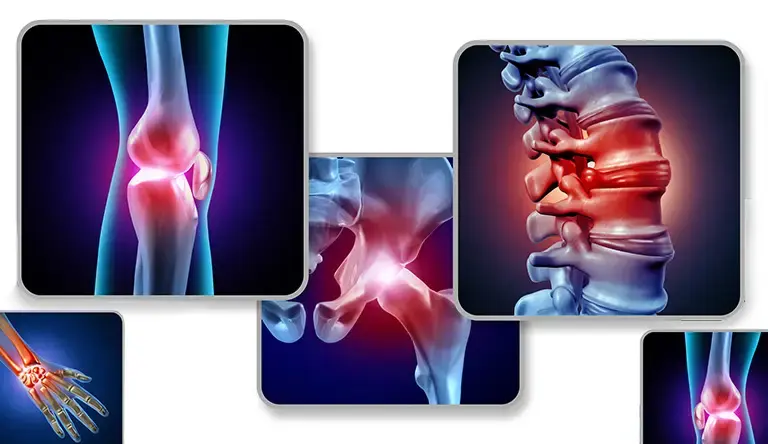
Musculoskeletal injuries remain one of the most common causes of pain, disability, and lost productivity in the United States. Whether caused by workplace strain, repetitive motion, sports trauma, or motor vehicle accidents, these injuries can significantly impair mobility, strength, and overall quality of life. Effective treatment requires more than temporary pain relief—it demands a structured, evidence-based approach focused on accurate diagnosis, tissue healing, functional restoration, and long-term prevention. At Injury Federal Clinic, patient care is built around this comprehensive, multidisciplinary philosophy.
The foundation of successful treatment begins with a detailed diagnostic evaluation. Every patient undergoes a thorough medical history and physical examination designed to identify the mechanism of injury, pain patterns, neurological involvement, and functional limitations. Orthopedic testing, range-of-motion measurements, strength assessments, and work-duty evaluations allow providers to precisely determine the structures involved and the severity of impairment. This careful diagnostic process ensures that treatment is not generalized but individualized and targeted.
When clinically indicated, in-office X-ray imaging provides immediate insight into fractures, joint degeneration, spinal alignment abnormalities, and disc space changes. Rapid access to imaging improves efficiency and allows providers to develop timely treatment plans. In certain cases, blood tests and urinalysis are utilized to rule out inflammatory disorders, metabolic conditions, autoimmune diseases, or vitamin deficiencies that may contribute to chronic pain or delayed healing. By evaluating both structural and systemic factors, Injury Federal Clinic ensures that no contributing element is overlooked.
Treatment strategies at Injury Federal Clinic emphasize conservative, restorative care whenever possible. Chiropractic adjustments and joint mobilization techniques are used to improve spinal alignment, restore joint motion, and reduce nerve irritation. These techniques are particularly effective for patients suffering from low back pain, neck pain, and tension-related headaches.
Physical therapy and physiotherapy form a central pillar of rehabilitation. Customized programs incorporate therapeutic exercises, strengthening protocols, flexibility training, postural correction, and functional retraining. The objective is not simply to reduce symptoms but to correct biomechanical dysfunction and prevent reinjury. For patients with upper extremity injuries or difficulty performing job-related tasks, occupational therapy focuses on restoring fine motor control, grip strength, and ergonomic efficiency. Work-conditioning programs further assist injured employees in safely transitioning back to their duties.
When conservative measures alone do not provide adequate relief, targeted pain management interventions may be introduced. Corticosteroid injections can reduce localized inflammation, while trigger point injections address myofascial pain and persistent muscle spasms. In appropriate cases, regenerative approaches and adjunctive therapies, such as vitamin optimization or peptide-based support, may be considered under medical supervision. These treatments aim to enhance the body’s natural healing response while providing symptom relief.
A wide range of therapeutic modalities further supports recovery. Electrical muscle stimulation helps reeducate weakened muscles and improve circulation. Medical massage therapy reduces soft tissue tension and promotes lymphatic drainage. Medical laser (red-light) therapy assists cellular repair and decreases inflammation at the tissue level. Therapeutic ultrasound delivers deep heat to support collagen healing, while shockwave therapy may stimulate recovery in chronic tendon injuries. For patients with disc-related conditions, spinal decompression and traction therapies may help reduce nerve compression and relieve radicular pain. Complementary approaches such as cupping therapy and proprioceptive neuromuscular facilitation (PNF) stretching are incorporated to enhance flexibility, coordination, and muscular balance.
Injury Federal Clinic also recognizes that traumatic events may involve more than musculoskeletal damage. Patients involved in motor vehicle or workplace accidents may require evaluation for mild traumatic brain injury or concussion. Cognitive screening, balance assessments, and neurological monitoring are performed when indicated to ensure comprehensive care. Early identification of concussion-related symptoms significantly improves long-term outcomes.
Supportive treatments such as cryotherapy are used during the acute stages of injury to minimize inflammation and swelling. Durable medical equipment—including lumbar braces, knee supports, wrist splints, and cervical collars—provides structural stability during the healing process. Nutritional guidance and over-the-counter vitamin recommendations may also be incorporated to support tissue repair and reduce inflammation when clinically appropriate.
The overarching goal at Injury Federal Clinic is not merely pain reduction but functional restoration. Each patient receives a personalized plan designed to restore strength, mobility, endurance, and confidence. By combining diagnostic precision with multidisciplinary treatment strategies, the clinic aims to reduce long-term disability, improve quality of life, and facilitate a safe return to work.
Musculoskeletal injuries can be complex and multifactorial. However, with early intervention, coordinated care, and evidence-based treatment, recovery is achievable. At Injury Federal Clinic, comprehensive care is delivered under one roof—ensuring patients receive timely, integrated, and outcome-focused treatment tailored to their specific needs.