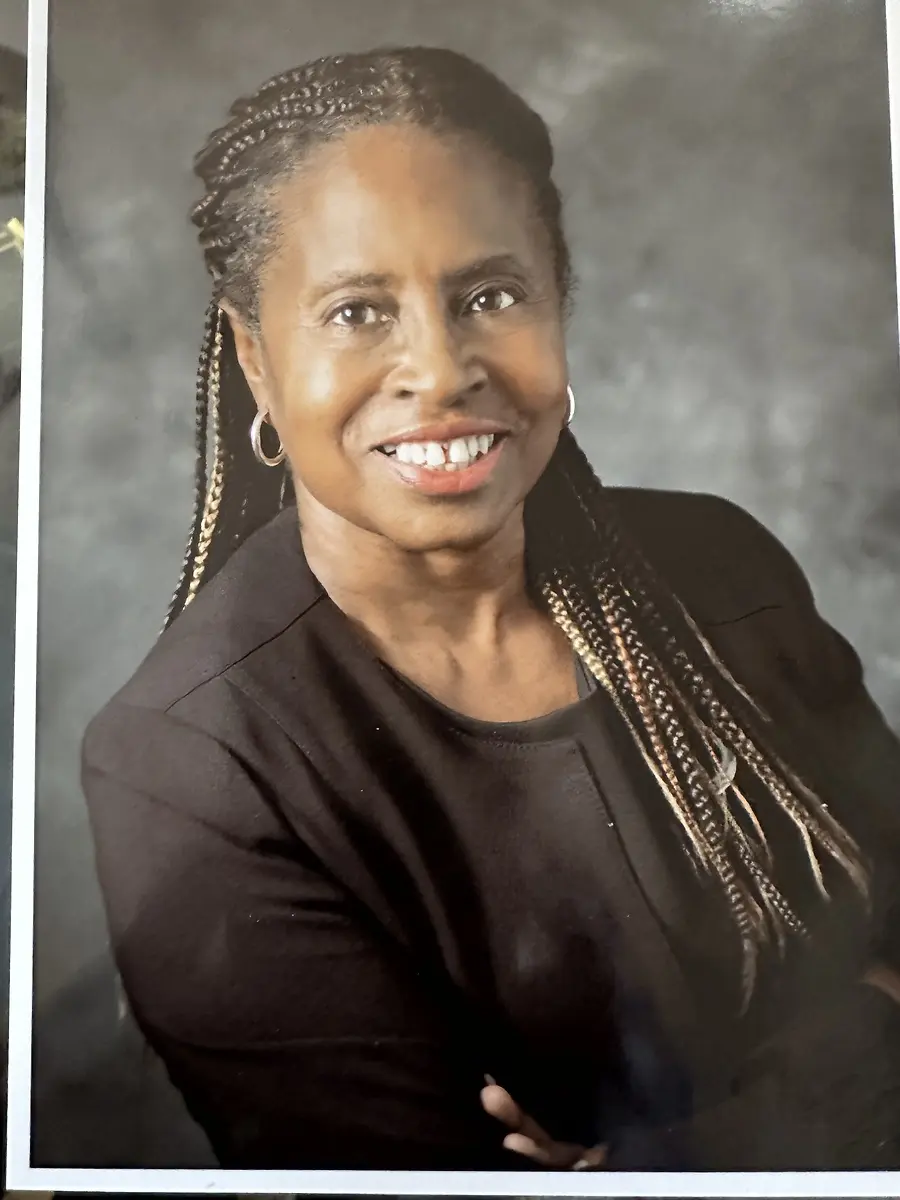
Barbara Crump PhD, NP-C, AOCNP Berkeley College Dignity Care -Nurses' Perceptions
Exploring Nurses' Perceptions of Dignity-Supportive Care for Hospitalized Patients at the End of Life: A Grounded Theory Approach

Abstract
Background: Respecting patient dignity at the end of life is a critical component of high-quality care; yet research consistently demonstrates that dignity is not always upheld during hospitalization. Despite its importance, limited theoretical frameworks exist that describe how nurses perceive and enact dignity-supportive care at the end of life.
Purpose: The purpose of this study was to explore nurses’ perceptions of care that supports patients’ dignity during hospitalization at the end of life and to propose a theoretical foundation to guide dignity-centered nursing practice.
Problem Statement: Although dignity is fundamental to every person, patients’ dignity is not consistently respected in acute care settings (Lin et al., 2013; Matiti et al., 2007; Seedhouse & Gallagher, 2002). Prior studies highlight numerous instances in which healthcare providers failed to uphold dignity during hospital admissions (Chochinov, 2009; Dawood & Gallini, 2010; Meyer, 2010). However, little is known about how nurses specifically perceive and deliver dignity-supportive care for hospitalized patients at the end of life.
Methods: A qualitative grounded theory design was used to systematically examine the complexities of nurses’ perspectives. Semi-structured interviews were conducted with 11 experienced registered oncology nurses from the northeastern United States. All participants were female, as no male nurses responded to the recruitment invitation. Data were analyzed using grounded theory techniques to identify processes and categories that explain how nurses perceive and enact dignity-supportive care for hospitalized patients with cancer at the end of life.
Results: Analysis revealed three major categories central to dignity-supportive care: communication, support, and facilitation. Subcategories included education, workshops, course curriculum, in-service training, advocacy, listening, presence, attention to physical needs, emotional support, compassion, honoring patient wishes, respect, and recognition of patients as human beings.
Keywords: dignity care, end-of-life, nurses’ perceptions, grounded theory, oncology nursing, hospitalization
Concept of Dignity in Nursing
Introduction
Maintaining patient dignity is a fundamental priority within the healthcare system (Lin, Watson, & Tsai, 2013). In contemporary practice—particularly within palliative and end-of-life care—dignity and respect are widely recognized as essential elements of high-quality, patient-centered care. Lin et al. (2013) conducted an integrative review of nursing literature to examine how dignity is addressed in clinical settings, with a focus on whether hospitalized patients perceived their care as dignified or undignified. Their findings revealed significant inconsistencies, demonstrating that healthcare providers do not always uphold patient dignity during end-of-life care. Although this research is more than a decade old, the concern remains highly relevant, as many healthcare environments continue to compromise patients’ dignity. More recent work by Rabbai et al. (2024) echoes this ongoing challenge, noting that despite growing attention to quality end-of-life care, critically ill patients still frequently receive care that undermines patient dignity.
Maintaining patient dignity is a fundamental priority within healthcare (American Nurses Association [ANA], 2025). Within the context of end-of-life care, dignity has emerged as one of the most critical challenges facing patients during hospitalization, underscoring the need for nursing perspectives and theoretical frameworks that guide practice in this area.
Challenges in Upholding Dignity at End of Life
Despite its importance, research indicates that patient dignity is not consistently maintained in clinical settings. Lin, Watson, and Tsai (2013) found that inpatients frequently perceived their care as undignified, highlighting gaps in provider practices. Much of the existing literature has focused on physicians’ roles in end-of-life care, with less attention given to nursing perspectives (Breitbart & Chochinov, 2009). This imbalance underscores the need to examine how nurses—who often spend the most time with patients—perceive and enact dignity-supportive care.
Nursing Perspectives on Dignity Care
Nurses are uniquely positioned to influence patients’ experiences of dignity through communication, advocacy, and compassionate presence. Studies suggest that nurses’ ability to listen, honor patient wishes, and provide emotional and physical support directly impacts whether patients feel respected and valued (Chochinov, 2007). However, theoretical models that capture nurses’ perceptions of dignity care remain limited, leaving a gap in guiding practice and education.
Theoretical Gaps and Need for Grounded Theory
While dignity is widely acknowledged in nursing literature, few frameworks exist that systematically explain how nurses perceive and deliver dignity-supportive care during hospitalization at the end of life. Grounded theory offers a methodological approach to address this gap by generating theory directly from nurses’ lived experiences and perceptions. Developing such a model can provide a foundation for practice, education, and policy, ensuring that dignity remains central to end-of-life care.
Research Design
This study employed a qualitative grounded theory design to explore nurses’ perceptions of dignity-supportive care during hospitalization at the end of life. Grounded theory was chosen because it provides a systematic approach to developing theory directly from participants’ experiences, allowing for the emergence of categories and processes that explain complex phenomena.
Participants
The study sample consisted of 11 experienced registered oncology nurses, all female, from the northeastern United States. Participants were selected based on their direct involvement in caring for hospitalized cancer patients during end-of-life stages. Inclusion criteria required a minimum of five years of oncology nursing experience and current practice in inpatient hospital settings.
Data Collection
Data were collected through semi-structured interviews. Each interview was guided by open-ended questions designed to elicit nurses’ perceptions of dignity care, including communication practices, advocacy roles, emotional support, and respect for patient wishes. Interviews were conducted in private settings to ensure confidentiality and lasted approximately 45–60 minutes. All interviews were audio-recorded and transcribed verbatim.
Data Analysis
Grounded theory procedures guided the analysis. Transcripts were coded using constant comparative methods, beginning with open coding to identify initial concepts, followed by axial coding to establish relationships among categories, and selective coding to integrate findings into a preliminary theoretical model. Memo writing and iterative analysis ensured rigor and reflexivity throughout the process.
Trustworthiness
To enhance credibility, member checking was conducted by sharing preliminary findings with participants for validation. Triangulation was achieved through multiple coders reviewing transcripts independently before consensus was reached. An audit trail documented analytic decisions, and reflexive journaling was maintained to minimize researcher bias.
Results
Overview
Analysis of semi-structured interviews with 11 oncology nurses revealed a preliminary model of dignity care composed of three major categories: communication, support, and facilitation. Each category included several subcategories that describe specific processes and practices nurses perceive as essential to maintaining patient dignity during hospitalization at the end of life.
Research Question
The central research question guiding this study was:
How do nurses perceive care that supports the dignity of patients during hospitalization at the end of life?
To explore this question in depth, nine sub-interview questions were used to elicit nurses’ experiences, perceptions, and practices related to dignity-supportive care:
- What is your definition or perception of dignity?
- What are your perceptions of care that supports dignity?
- Do you remember an occasion when you felt you did not support a patient’s dignity?
- What strategies, if any, can healthcare leaders use to help nurses overcome barriers to providing dignity-supportive care at the end of life?
- How would you support patients’ dignity during end-of-life care?
- What do nurses do well to maintain the dignity of their patients at the end of life?
- What do nurses do poorly in maintaining the dignity of their patients during end-of-life care?
- What barriers, if any, have you experienced when trying to deliver care that supports patient dignity at the end of life?
- How would you facilitate dignity?
These questions provided a comprehensive foundation for understanding how nurses conceptualize, enact, and navigate dignity-supportive care in the hospital setting.
Major Categories and Subcategories
1. Communication
Nurses emphasized that effective communication is central to dignity-supportive care.
• Listening: Attentive listening to patients’ concerns, values, and wishes
• Being Present: Demonstrating presence through verbal and nonverbal engagement
• Advocacy: Acting as a voice for patients when they are unable to express themselves
2. Support
Support was described as both physical and emotional, reflecting a holistic approach to care.
• Physical Needs: Attending to comfort, hygiene, and symptom management
• Emotional Support: Providing reassurance, empathy, and compassion
• Respect: Treating patients as valued individuals rather than as tasks or conditions
• Compassion: Offering kindness, sensitivity, and human connection
3. Facilitation
Facilitation involves enabling dignity through education, empowerment, and honoring patient choices.
• Education: Integrating dignity care into nursing curricula, workshops, and in-service training
• Honoring Wishes: Respecting patients’ preferences and end-of-life decisions
• Recognition of Humanity: Ensuring patients are treated as whole persons with identities, values, and life stories
Emergent Dignity Care Model
The integration of these categories and subcategories led to the development of a preliminary Dignity Care Model. This model illustrates how nurses perceive dignity-supportive care as a process that combines communication, support, and facilitation to uphold patients’ humanity during hospitalization at the end of life.

Emergent Dignity Care Model
Interpretation of Findings
This study examined nurses’ perceptions of dignity-supportive care during hospitalization at the end of life. Three major categories—communication, support, and facilitation—emerged as central components of a preliminary dignity care model. Collectively, these categories illustrate that dignity is not a single action but a dynamic, relational process requiring emotional presence, advocacy, and practical responsiveness. Nurses describe dignity care as listening attentively, being present, advocating for patient needs, addressing physical and emotional comfort, and honoring individual wishes. These findings reinforce the idea that dignity is preserved through consistent, intentional interactions embedded in everyday practice.
Connection to Existing Literature
Healthcare organizations can use the dignity care model as a guide for policy development and quality improvement initiatives. Institutional support for dignity-focused care—through staffing, training, and patient-centered policies—can foster environments where dignity is prioritized.
Implications for Future Research
The preliminary dignity care model offers a foundation for further exploration but requires refinement and validation across broader contexts. Future research should:
• Expand the sample to include nurses from diverse geographic regions, specialties, and cultural backgrounds to enhance generalizability
• Examine interdisciplinary perspectives, including physicians, social workers, and chaplains, to understand how different providers contribute to dignity care
• Test the model in practice by integrating it into nursing education, workshops, and clinical training, then evaluating its impact on patient outcomes
• Explore patient and family perspectives to compare how dignity is perceived by those receiving care versus those providing it
• Investigate organizational factors such as staffing, policies, and institutional culture that may facilitate or hinder dignity-supportive care
By pursuing these directions, future studies can strengthen the theoretical foundation of dignity care, inform evidence-based practice, and guide policy development. Ultimately, advancing this work will help ensure that dignity remains central to end-of-life care and that patients experience respect, compassion, and humanity throughout hospitalization.
Conclusion
This study contributes to the growing body of literature on dignity in end-of-life care by presenting a preliminary theoretical model grounded in nurses’ perceptions and clinical realities. The model highlights communication, support, and facilitation as essential processes through which dignity is preserved during hospitalization. Continued refinement and testing across diverse settings and populations will strengthen its applicability and ensure that dignity remains a central, measurable, and actionable component of nursing practice and healthcare delivery.