The Bio-Information Revolution: Coding the Unified Field of Human Health
Moving Beyond Chemical Medicine to the Era of Systemic Realignment and Molecular Mimicry

The Bio-Information Revolution: Why the Future of Medicine Is a Signal, Not a Pill
For decades, we’ve treated the human body like a 19th-century machine: if a part breaks, we try to grease it with chemicals or replace it with surgery. But as we move deeper into the 21st century, a new realization is taking hold. The body isn’t just a collection of parts; it is a dynamic information network.
We are introducing a new framework — a bridge between molecular signaling and systemic harmony — that could change how we treat everything from chronic inflammation to autoimmune “glitches.” We call it the Unified Field of Biological Information.
The Problem: The “Static” in the System
Think of your immune system as a massive cellular Wi-Fi network. When you’re healthy, the signal is crystal clear. But sometimes, the system experiences what we call “recombination failure” — essentially, the Wi-Fi gets jammed. Cells become confused, instructions get garbled, and the body begins attacking itself.
Current medicine often attempts to fix this by “turning off the router” (immunosuppression). It reduces the noise, but it also weakens the signal.
The Solution: The Three-Step Realignment
Our framework offers a way to “patch” the software without crashing the computer. It relies on three foundational pillars:
1. The Secure Handshake (McKenna Mimicry)
To fix a network, you first need access. Many drugs are perceived as “invaders” by the body. We use McKenna Mimicry — synthetic “keys” called aptamers that resemble and function like the body’s own signaling molecules. This allows us to establish a “VIP handshake” with cells such as macrophages and lymphocytes, bypassing biological barriers to deliver a corrective message.
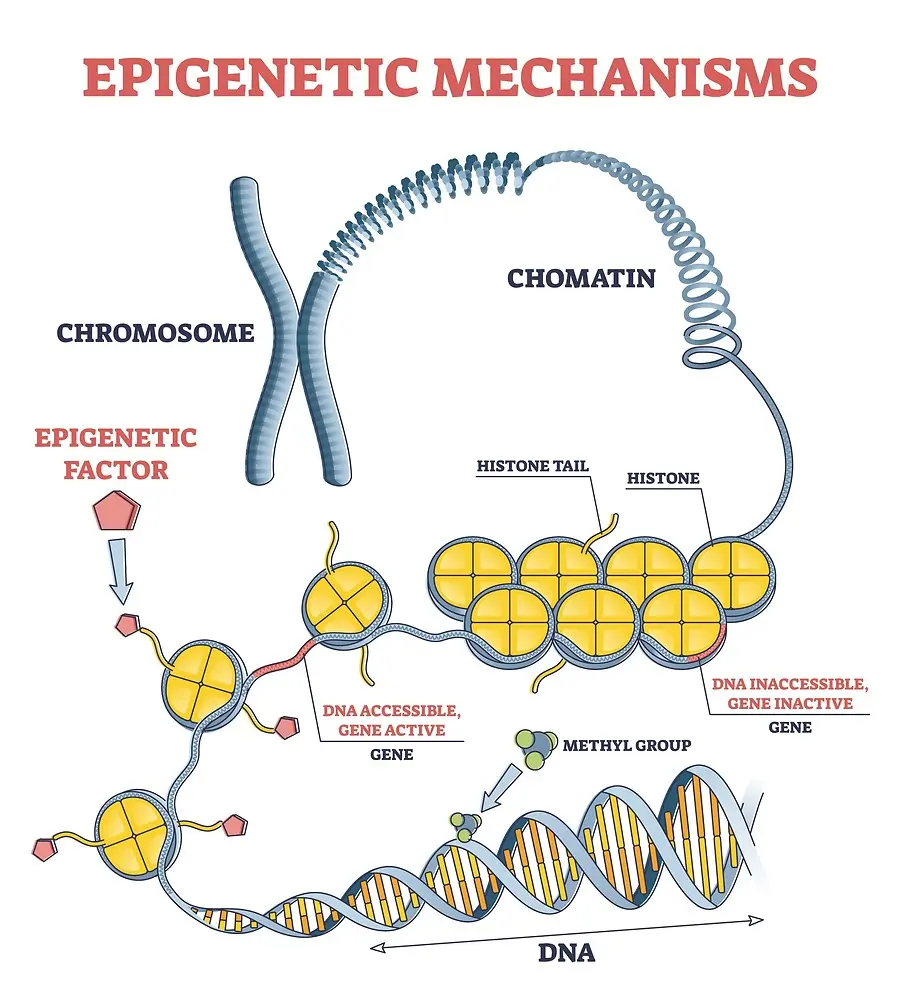
2. The Software Update (Unified Epigenetics)
Once we have the cell’s attention, we don’t change its “hard drive” (DNA). Instead, we update its “operating system” (epigenetics). By using synthetic keys to influence the cell’s internal regulatory settings, we can signal a hyperactive immune cell to “stand down.”

This is not a temporary fix; it is a lasting update. The cell retains this modified state, supporting long-term recalibration rather than daily symptom management.
3. The Network Sync (The Unified Field)
The final step is the most transformative. When enough cells receive the same “software update,” they begin to synchronize. This creates a field effect. Like a school of fish moving in coordinated unison, the biological system returns to a state of coherence. The noise diminishes, the signal strengthens, and the body regains its capacity for balanced self-regulation.
The New Frontier of Investment
We are moving away from the “One Drug, One Target” model and toward systemic realignment. This represents a bridge between biology and information science. By focusing on how the body communicates — rather than only how it reacts — we open the door to a new era of programmable biology.
The future is not about fighting the body. It is about helping the body remember how to function as it was designed.
Join the Realignment
The transition from chemical medicine to informational biology is not merely theoretical — it reflects the broader evolution of biomedical science. As we refine the tools of McKenna Mimicry and further map the Unified Field, we are seeking visionaries, researchers, and partners who recognize that the next breakthrough may not come from a pill, but from a signal.
We are currently building foundational data sets that connect cellular “handshakes” to systemic health outcomes. If you are interested in the intersection of immunology, epigenetics, and information theory, this frontier is open.
The future of health is coherence. Let’s build the network together.