Improving Evidence-based Practices to Reduce Fall Injury in Progressive Care Unit (PCU)/Intermediate Care Unit (IMC) of The Hospital
Strategies and Interventions to Enhance Patient Safety and Reduce Fall-Related Injuries in Hospital Progressive Care and Intermediate Care Units.

Improving Evidence-Based Practices to Reduce Fall Injury in the Progressive Care Unit (PCU)/Intermediate Care Unit (IMC) of the Hospital
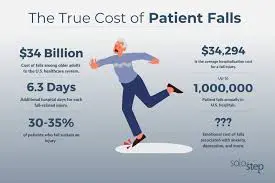
Falls are an inevitable and common occurrence among patients of all ages in healthcare organizations. However, they remain one of the most preventable adverse events and pose a major threat to patient safety. These incidents create both clinical and economic burdens, including increased morbidity, reduced quality of life, and substantial healthcare costs (Locklear et al., 2024).
According to the U.S. Centers for Disease Control and Prevention (CDC) and other fall-related research:
- Fourteen million, or 1 in 4 Americans aged 65 and older, fall each year.
- Falls are the leading cause of fatal and non-fatal injuries among older adults.
- In 2021, falls caused 38,000 deaths among adults aged 65 and older.
- Emergency departments reported 3 million visits due to falls in older adults.
- The cost of treating fall-related injuries among older adults is projected to exceed $101 billion by 2030.
- More than half of older adults who fall receive hospital care.
- The estimated average annual cost per inpatient visit for fall injuries is $18,658, while emergency department visits average $1,112.
- Based on 2020 data, the total annual healthcare cost of non-fatal older adult falls reached $80 billion, up from $50 billion in 2015.
- Sixty-seven percent of fall-related costs are paid by Medicare, 4% by Medicaid, and 29% by private payers, including patients and families (“Get the Facts on Fall Prevention,” 2025).
Fall Risk in PCU/IMC Settings
One hospital area where fall injuries are particularly prevalent is the Progressive Care Unit (PCU)/Intermediate Care Unit (IMC).
Intermediate care, also referred to as high-dependency care, step-down care, or progressive care, is designed for patients who no longer require intensive care unit (ICU) resources but still need more support than is available on a general medical-surgical floor (Case et al., 2024).
Patients in PCU/IMC are often clinically unstable despite being less critical. Many are older adults with conditions such as dementia or Alzheimer’s disease, which may contribute to sundowning syndrome—a condition characterized by confusion and agitation during evening hours. These factors significantly increase the risk of falls.
Causes of Falls: Intrinsic and Extrinsic Factors
Falls result from both intrinsic and extrinsic risk factors.
Intrinsic Factors:
- Advanced age
- History of previous falls
- Muscle weakness
- Gait and balance issues
- Poor vision
- Postural hypotension
- Chronic illnesses such as:
- Arthritis
- Stroke
- Diabetes
- Parkinson’s disease
- Dementia
- Fear of falling
Extrinsic Factors:
- Lack of stair handrails
- Poor stair design
- Absence of bathroom grab bars
- Dim lighting or glare
- Environmental clutter or tripping hazards
- Slippery or uneven surfaces
- Psychoactive medications (e.g., opioids, sedatives)
- Improper use of assistive devices
Healthcare providers, especially nurses, must remain vigilant in identifying and managing these factors (Locklear et al., 2024).
Common Fall Risk Assessment Tools
Several evidence-based assessment tools are used across healthcare settings:
Morse Fall Scale (MFS)
A widely used assessment tool that evaluates:
- History of falling
- Secondary diagnoses
- Use of ambulatory aids
- Mental status
Agency for Healthcare Research and Quality (AHRQ) Fall TIPS Toolkit
A nurse-led, patient-centered intervention that creates individualized fall prevention plans using:
- Communication tools
- Visual alerts
- Patient and family engagement
Falls Risk Assessment Tool (FRAT)
Used to categorize patients into:
- Low risk
- Medium risk
- High risk
Scott Fall Risk Screen (SFRS)
An 11-item validated tool primarily used in long-term care settings (Norman, 2020).
Current Fall Prevention Strategies
To reduce fall injuries in PCU/IMC settings, multiple interventions are implemented.
The 5 P’s of Rounding:
- Pain
- Position
- Possessions
- Potty
- Pathway
This proactive rounding ensures that:
- Patient needs are addressed regularly
- Personal belongings and call lights are within reach
- Environmental hazards are minimized
Fall Prevention Bundle:
- Non-slip socks
- Gait belts
- Yellow armbands
- Door signage
- Bed or chair alarms
These precautions are maintained from admission through discharge.
Structured Rounding Schedule:
- Nurses round every two hours on even-numbered hours
- Patient Care Assistants (PCAs) round every two hours on odd-numbered hours
Additional Measures:
- Mandatory nursing care plan documentation in Epic
- Kamishibai (K-card) auditing for fall prevention compliance
- Smart socks technology with pressure sensors that alert staff when patients attempt to stand independently
Research has shown that Smart Socks can reduce fall rates from 4 per 1,000 patient days to 0 per 1,000 patient days (Dykes, 2024).
Knowledge and Nursing Gaps in Fall Prevention
Nurses play a crucial role in preventing patient falls. They spend the most time with patients, monitoring conditions and assisting with daily activities. This close interaction allows nurses to identify risk factors such as confusion, weakness, or medication side effects (e.g., dizziness). However, many nurses may not receive sufficient training on effective fall prevention strategies. When knowledge gaps exist in nursing practice, fall incidents may increase, placing patients at risk.
Research shows that not all nursing education programs emphasize fall prevention adequately (Hakvoort et al., 2021). This lack of emphasis can leave nurses underprepared to implement essential safety measures. For example, nurses may not be fully aware of best practices for patient assessment or proper use of assistive devices. They may also overlook the importance of involving patients in care plans and educating them about their own risks. These gaps can result in missed safety interventions and increased fall risk.
Additionally, heavy workloads and time pressures can further limit nurses’ ability to focus on fall prevention. Without ongoing education and access to updated training, opportunities for intervention may be missed. Addressing these gaps through staff development programs, continuous training, and a strong safety culture is essential to improving patient outcomes.
Policy Amendments on Fall Injury
Falls in hospitals are a serious patient safety issue that can result in significant injuries, particularly among older adults. While current hospital policies aim to reduce these incidents, there are still areas requiring improvement.
One key limitation is the reliance on standardized risk assessment tools that may not fully capture each patient’s complexity. The Falls Risk Assessment Tool (FRAT), for example, may overlook important factors such as cognitive impairment or medication interactions (Morris et al., 2021). A more holistic, individualized approach is needed.
Enhancing risk assessments to include patient history, cognitive status, and medication review is essential. Polypharmacy significantly increases fall risk among older adults (Xue et al., 2021). Therefore, medication reconciliation should be integrated into fall risk evaluation and intervention planning.
Staff training is also essential. Greater emphasis should be placed on proactive fall prevention strategies. Tools such as the Falls TIPS (Tailoring Interventions for Patient Safety) program have demonstrated effectiveness and should be widely implemented to support individualized care (Allen, 2026). All healthcare staff—including nurses, technicians, and patient care assistants—should receive mandatory, quarterly fall prevention training.
Patient education is another critical area for improvement. Structured education programs, including brochures and video resources, can improve understanding and adherence to safety measures. Evidence shows that patient engagement reduces fall rates and injury severity (Ganz et al., 2022). Patient feedback should also be collected to evaluate understanding and improve education strategies.
Improved interdisciplinary communication is also necessary. Regular team meetings can ensure all staff are aware of patient-specific risks and interventions, promoting a coordinated approach to prevention.
Technology should also be further integrated into fall prevention strategies. Automated alert systems can notify staff when high-risk patients attempt to mobilize. Smart technologies, such as wearable sensor systems, have shown promise in improving patient safety (Ganz et al., 2022).
Finally, involving patients and families in fall prevention planning can improve outcomes. When patients feel included in decision-making, adherence to safety strategies improves. Families can also reinforce safe behaviors during hospitalization and after discharge (Xue et al., 2021).
Ongoing evaluation and research are essential to measure the effectiveness of interventions and refine policies over time.
Conclusion
Falls remain one of the most common and preventable patient safety concerns in healthcare settings.
Although falls cannot be eliminated entirely, healthcare systems can significantly reduce fall-related injuries through:
- Comprehensive risk assessments
- Evidence-based prevention bundles
- Proactive rounding
- Environmental safety strategies
- Advanced technologies
- Continuous staff education and auditing
In Progressive Care Units and Intermediate Care Units—where patients are especially vulnerable—strengthening evidence-based fall prevention practices is essential to improving patient outcomes, reducing healthcare costs, and enhancing overall quality of care.
Through consistent multidisciplinary collaboration, the goal of minimizing fall injury rates is both realistic and achievable.
References
(Your references are already strong; I only corrected formatting consistency slightly. If you want, I can fully convert this into APA 7th edition formatting.)