Hunter Smith, O.D.
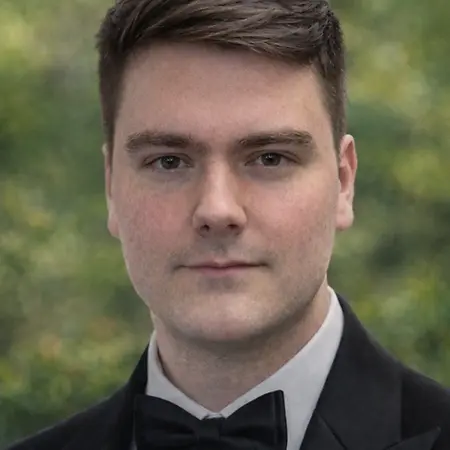
Dr. Hunter Smith, O.D., is a Captain and Optometrist in the United States Army Medical Department currently serving as the Vice Chief of Optometry at Fort Leonard Wood, Missouri. In this role, he provides clinical optometry services in direct support of active-duty Soldiers and mission readiness requirements. He performs comprehensive primary eye care at General Leonard Wood Army Community Hospital (GLWACH) for active-duty service members, their dependents, and military retirees, while also supporting the Army’s initial entry training mission at the 43rd Adjutant General Reception Battalion. There, he helps oversee the visual readiness and medical in-processing of trainees entering basic training, ensuring incoming Soldiers meet the medical and visual standards required to begin military service at one of the Army’s major training installations.
Serving within a high-volume military medical system, CPT Smith contributes to both patient care and clinical operations, helping maintain efficiency, accountability, and professional standards in a mission-driven healthcare environment. His clinical experience includes managing complex cases requiring coordination with ophthalmology, neurology, rheumatology, and other specialty services, with a particular interest in treating and preventing ocular conditions that affect visual function and operational performance. Patient-centered care remains central to his professional philosophy, emphasizing education, transparency, and shared decision-making while striving for the best outcomes in both acute and chronic ocular conditions.
Dr. Smith earned his Bachelor of Science in Physiology from the University of Scranton in 2020, developing a strong academic foundation in human biology and medical science that guided his path toward healthcare and military service. His dedication to service began earlier through volunteer work as an Emergency Medical Technician during his high school years, an experience that instilled discipline, responsibility, and commitment to community care. He later earned his Doctor of Optometry degree from the Kentucky College of Optometry in 2024, building a broad background in primary eye care, ocular disease, and military operational medicine. He is recognized for his disciplined work ethic, attention to detail, and commitment to his responsibilities as both an optometrist and Army officer.
In addition to his clinical duties, CPT Smith demonstrates strong leadership, organizational management, and strategic thinking skills. His leadership philosophy emphasizes accountability, professionalism, and mission-first execution while maintaining a firm commitment to the welfare of Soldiers and patients under his care. He maintains a longstanding interest in public service, civic leadership, and healthcare policy, with long-term goals focused on contributing to healthcare systems, economic development, and initiatives that expand access to essential services. His advocacy efforts have included participation in discussions related to visual health policy and engagement with national-level leaders, including a personal discussion with U.S. Secretary of Health and Human Services Robert F. Kennedy Jr.
Outside of his professional responsibilities, CPT Smith enjoys an active outdoor lifestyle that helps balance the demands of military medicine. His interests include golfing, hunting, ice-fishing, ATV riding, snowmobiling, and traveling throughout the country. He is also known among friends and colleagues for attending the Kentucky Derby annually, appreciating its history and tradition. Whether through medicine, leadership, advocacy, or personal pursuits, CPT Smith approaches life with discipline, responsibility, and a commitment to meaningful service, reflecting a career defined by high standards, reliability, and dedication to serving wherever he is called.
• University of Scranton - BS
• Kentucky College of Optometry - OD
• National Board of Examinations in Optometry - Parts 1, 2 and 3
• License to Practice Optometry in the State of Missouri
• United States Army Health Professions Scholarship
• Volunteer EMT
• Hometown Community (during high school)
Areas of Specialization/Expertise
- Military Optometry
- Primary Eye Care
- Military Readiness
- Acute and Chronic Ocular Disease Management
- Patient Education
- Adult Optometry
What do you enjoy most about practicing medicine?
What I enjoy most about practicing medicine is reaching the moment when a patient finally gets to the other side of a difficult condition, especially when it requires weeks or months of close follow-up and careful management. Some of the most rewarding cases are the ones where progress is slow, unpredictable, and requires a lot of trust between the physician, the patient, and the family.
I recently cared for a lovely five-year-old girl with juvenile idiopathic arthritis who was struggling with chronic uveitis. It was an extremely challenging case that required frequent visits, constant monitoring, and careful adjustment of topical steroid medications and cycloplegic eye drops to control the inflammation in her eye. There were times when the inflammation would improve, and then suddenly worsen again, and her family understandably became worried about the possibility of long term permanent vision loss.
Over the course of several months, we continued to follow her closely, making small changes in treatment and watching her response very carefully. The moment that stands out to me the most was the visit when I was finally able to tell her and her parents that the inflammation had FINALLY resolved, that her eyes were stable, and that she no longer needed the intensive treatment she had been on. Seeing the relief on their faces, the tears of joy in her mother's eyes and knowing that we had succeeded in protecting this child’s vision... THAT was incredibly rewarding.
Moments like that are what I enjoy most about practicing medicine. It is not just about diagnosing a condition or prescribing a treatment, it is about guiding someone through a difficult period, staying with them through the uncertainty, keeping them informed and involved in the process that dictates the course of clinical action, and ultimately helping them reach a point where they can move forward with their life without fear that their health or their vision is at risk. Those are the moments that remind me that I chose the right profession.