Rev. Brian Shaffer, PhD, FT, LPC, NCC, ICAADC, ACS
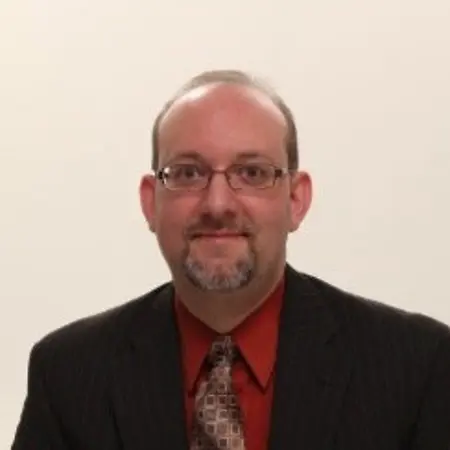
Rev. Brian Shaffer, PhD, FT, LPC, NCC, ICAADC, ACS, is the founder and lead clinician of TheraPath Solutions, LLC, a mental health and behavioral health counseling practice based in Chambersburg, Pennsylvania. Through TheraPath Solutions, he provides individual, couples, family, and grief counseling, as well as clinical supervision, consultation, and professional training, helping clients and practitioners achieve growth, healing, and holistic well-being. With over 25 years of experience, Dr. Shaffer is a Licensed Professional Counselor and a Fellow in Thanatology, specializing in grief, loss, and bereavement, and has dedicated more than two decades to hospice care, hospital chaplaincy, and healthcare counseling.
Over the last 10–12 years, Dr. Shaffer has expanded his practice to include mental health and addiction counseling, working with clients in outpatient and inpatient residential settings. His expertise includes co-occurring disorders, relapse prevention, harm reduction, and integrated treatment approaches that address both mental health and substance use needs. He works closely with patients, clients, and families throughout the continuum of care—from pre-treatment intervention to active treatment and continuing care—ensuring compassionate, evidence-based support at every stage of recovery.
In addition to his clinical work, Dr. Shaffer is deeply committed to counselor education and mentorship. He serves as Clinical Faculty at Southern New Hampshire University and adjunct instructor at Grand Canyon University, teaching courses in addiction counseling and clinical mental health. He earned his PhD in Counselor Education and Supervision and a Master of Science in Mental Health Counseling from Capella University. Licensed in Pennsylvania and New Hampshire and holding multiple certifications in addiction counseling and pastoral care, he also contributes to the field through research, publications, and professional leadership, including board service with SelfSoulLiberate and the Michigan Association for Counselor Education and Supervision.
• Capella University - PhD, Counselor Education and Supervision
• Capella University - MS, Mental Health Counseling/Counselor
• Christian Bible College & Seminary - Bachelor's Degree, Theology & Philosophy
• Clinical Mental Health Counselor (CMHC)
• Approved Clinical Supervisor (ACS)
• Certified Advanced Alcohol & Drug Counselor (CAADC)
• Clinical Professional Counselor (CPC)
• National Certified Counselor (NCC)
• Licensed Professional Counselor (LPC)
• Certified Grief Counselor
• Fellow in Thanatology (FT)
• Certified Clinical Trauma Professional
• Chi Sigma Iota (January 2017)
• Academic Honor Society
• Counseling Honor Society
• American Counseling Association
• American Mental Health Counselors Association
• Association for Addiction Professionals
• Association for Counselor Education and Supervision
• Association for Death Education and Counseling
• Chi Sigma Iota
• Volunteering in his community
Shaffer, B. (2025). Cultural Considerations & Spirituality in Addiction Treatment. Sprong, M. E. et al. (2025). The Substance-Related Disorder. (pp. 41-54). Kendall Hunt Publishing.
Shaffer, B. (2025). Legislative & Ethical Perspectives of Treatment. Sprong, M. E. et al. (2025). The Substance-Related Disorder.
(pp. 55-72). Kendall Hunt Publishing.
Shaffer, B. (2025). Drug Court System. Sprong, M. E. et al. (2025). The Substance-Related Disorder. (pp. 73-92).
Kendall Hunt Publishing.
Shaffer, B. (2024). A generic qualitative inquiry into how clergy perceive their psychosocial needs of retirement
(Publication No. 31327960) [Doctoral dissertation, Capella University]. ProQuest Dissertations & Theses Global.
Shaffer, B. (2019). Love languages. American journal of integrative medicine, Spring, p.19.
Shaffer, B. (2018). ‘Tis the season: good grief. American journal of integrative medicine, Christmas, p.32.
Shaffer, B. (2018). Gardening for wellness. American journal of integrative medicine, Summer, p.29.
Shaffer, B. (2018). Anxiety and depression: more common than you think. American journal of integrative medicine, Fall, p.8.
Shaffer, B. (2018). Death discussion and children. American journal of integrative medicine, Fall, p.12.
Shaffer, B. (2016). The baggage of grief. American journal of integrative medicine, Spring, p.13.
Shaffer, B. (2014). Spiritual resolutions. American journal of integrative medicine, Spring, p.24.
Shaffer, B. (2014). Grief resolutions. American journal of integrative medicine, Winter, p. 9.
Shaffer, B. (2014). Mental health benefits of summer activities. American journal of integrative medicine, Summer, p.15.
Shaffer, B. (2014). Decreasing holiday stress. 1virtualhealth community newsletter, Winter, pg.4.
Shaffer, B. (2014). Helping grieving children in school and in the classroom. 1virtualhealth community newsletter, Fall, pg.19.
Shaffer, B. (2013). How to help the bereaved during the holidays. American journal of integrative medicine, Winter, p.21.
Shaffer, B. (2013). Prayer as part of the grieving process. Institute for maturing spirituality.
Shaffer, B. (2009). Holidays, children, and grief. Journey, 19(4).
Shaffer, B. (2009). Helping bereaved children cope with the holidays. Journey, 18(4).
Areas of Specialization/Expertise
- Grief
- Loss
- and Bereavement
- Thanatology
- Mental Health Counseling
- Addiction Counseling
- Hospice Care
- Chaplaincy
- Co-occurring Disorders
- Relapse Prevention
- Harm Reduction
What do you enjoy most about practicing medicine?
What I enjoy most is hearing from clients about how they are working at resolving their issues, or when they recognize for themselves what they need to do, whether it's to make a change or finding success in dealing with a mental health issue, addiction, or a relationship. I can't do the work for them, they have to do it, but when they're able to identify it for themselves and then continue to talk about the growth and the progress they're making, that's what I love. From a teaching perspective, I also enjoy when students are able to articulate, whether in conversation or in written assignments or coursework, that they're able to apply the concepts and didactic education in terms of clinical practice in the field with clients. When they're able to recognize that they can do this, that they can come into the field, and when their confidence level increases, those are the two biggest things for me.